
This page contains research work for Project Anaximander.
Contents
- Primary and Secondary Research
- Market and Production Research
- Quantitative and Qualitative
- Idea Generation
- Genre Profiles
- Idea Generation
- Primary Research
- Secondary Research
- Battlebit Remastered Visual Review (Polygon)
- Low-Poly Graphics Principles and Examples (3D Ace)
- Unreal Engine 5 Modelling Tools Tutorial (Unreal University)
- C++ Basics (Simplilearn)
- C++ Basics in Unreal (Gorka Games)
- Unreal Engine 5 Tutorial (Smart Poly)
- Sound Design For Indie Games (Let’s Talk Game Design)
- Skyrim’s Sound Design (Game Informer)
- Evaluation
- Bibliography
Primary and Secondary Research
Definitions
Primary Research – is getting the information from the source and not from someone else’s research. Information you collected yourself.
Secondary Research – gathering data from other peoples research. Getting data that has already been gathered by someone else.
Methods
Primary:
- Interviews
- Surveys
- Focus Groups
- Observation
- Field Research
Secondary:
- Internet
- Newspapers
- Magazines
- Reviews
- Books
- Published Papers
- Other Peoples Survey Data
Pros and Cons
Primary Pros:
- Up to date
- Personalized
- Private
Primary Cons:
- Expensive
- Time consuming
- Invalid data/biased sample
Secondary Pros:
- Easy to access
- Cheap or free
- Time saving
- Wider time scale
- Wide variety of sources
Secondary Cons:
- Not specific to your needs
- Out of date
- Public
- Biased data
- No control over quality
Compare 2 methods of primary research.
Interviews are good as you get the information from someone who is an expert in the field you are looking into but it can be time consuming to set up a meeting between you and your interviewee. As well with an interview you only get your interviewee’s point of view on the topic if you go with something like a survey you can get many points of view at the same time. With as survey you can use a service like SurveyMonkey to make a survey and they will save and collect the data for you but you need to choose a wide variety of people to send it out to so that you don’t get a biased point of view. E.g. if your making a survey for a new RPG you are making you don’t just want to send it into a subreddit called WeHateRPGs as you will only get negative view on RPGs.
Interviews and surveys are better at different types of data. If you want to get a picture of what life was like in medieval times then it’s best to do an interview with a historian who specialises in medieval history rather than sending a survey out to people asking what they think life was like back then. Equally if you’re trying to find out what sort of game the public want you’re going to want to do a survey to the public rather than do an interview with a game developer.
You will want to use a mix of interviews and survey and other methods when doing your primary research.
Compare 2 methods of secondary research.
The internet is a great place to get information for secondary research as it is easy to access and search but it is also filled with inaccurate or false information so you must make sure that you cross check your information. Published books and papers are usually very trustworthy as they have been checked by an editor and it is not as easy to publish a book as it is to get your opinion out on the internet. But because it is easy to publish to the internet the information is usually more up to date than a book.
Both are very important methods of secondary research. When using the internet make sure you cross check the information and with books check how old they are.
Market and Production Research
Definitions
Market Research – Gathering, analysing and interpreting information on your target audience, competitors and the industry as a whole.
Production Research – Gathering, analysing and interpreting information about making your product.
Methods
Market:
- Interviews
- Surveys
- Focus Groups
- Mystery Shopper
- Product Testing and Trials
- Observation
Production:
- Timetable
- Cost Analysis
- Team Evaluation
- Software and Hardware Evaluation
Quantitative and Qualitative
Definitions
Quantitative – numerical data
Qualitative – thoughts, feelings and opinions
Question Types
Quantitative – Closed questions. Questions with only a certain amount of predetermined answers
Qualitative – Open questions. Questions that have no predetermined answers and allow you to voice your thoughts
Idea Generation
Methods
- Mindmap
- Moodboard
- Brainstorm
- Storyboard
- Forced Relationships
- AI
- Social Listening
- Random Word Generator
- Sketches
Project Anaximander Research File
Genre Profiles
RPG
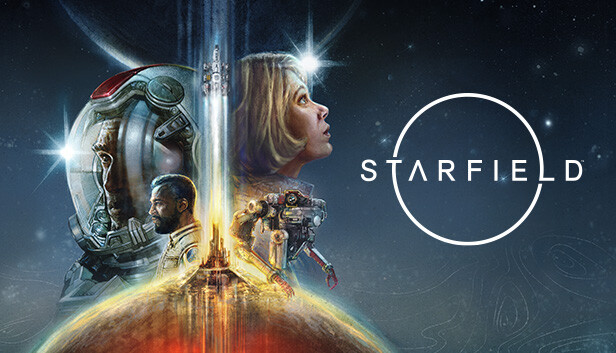
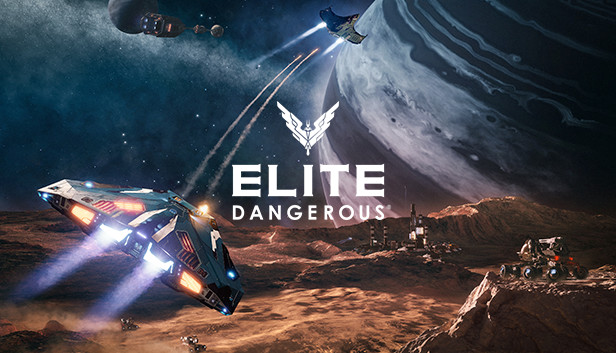
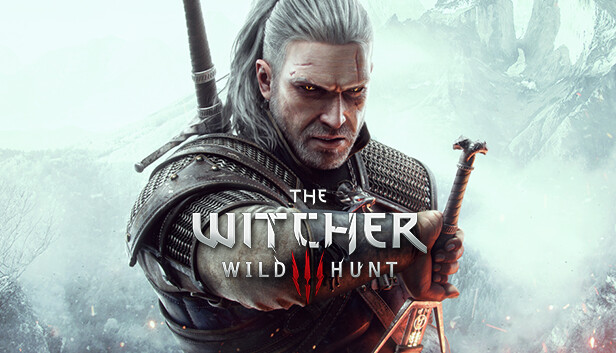
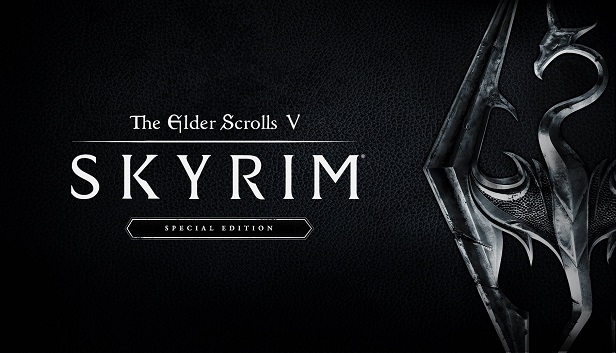
RPGs are video games in which you roleplay as a character. You are usually the main character of the story that runs through the game. You can also often find side quests or mini story lines within an RPG that you can also roleplay. RPGs are often quite open and allow you to control the story by picking choices at certain points in the story that can dramatically change how the story plays out. This gives RPG replayability but also a higher level of immersion as you are controlling how things turn out rather than you playing a set out story that you can’t change. A key part of an RPG is creating a believable world that the player can lose themselves in while roleplaying.
Simulator
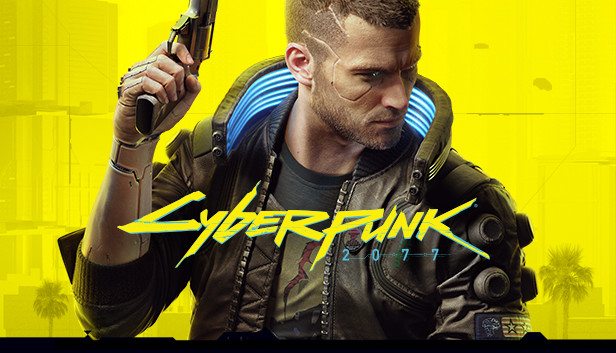
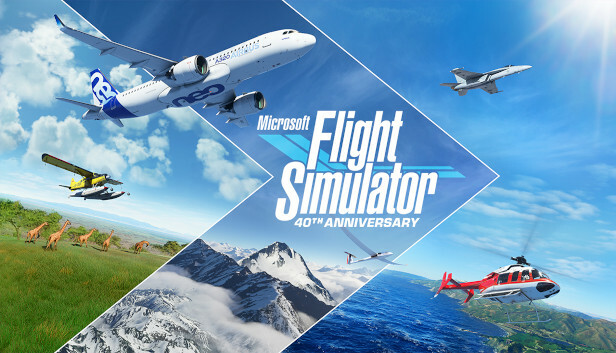
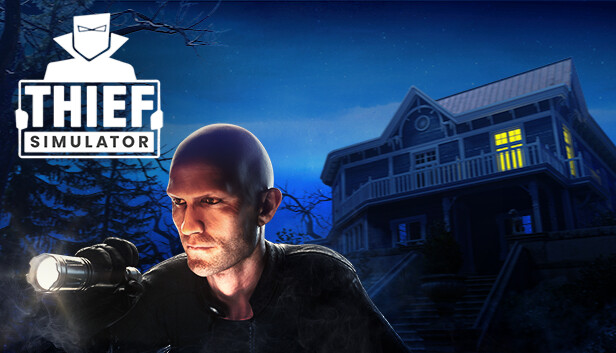
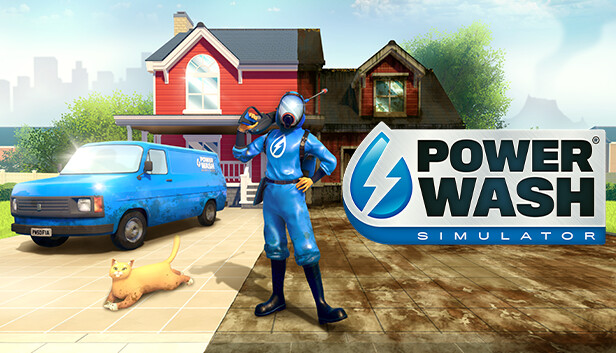
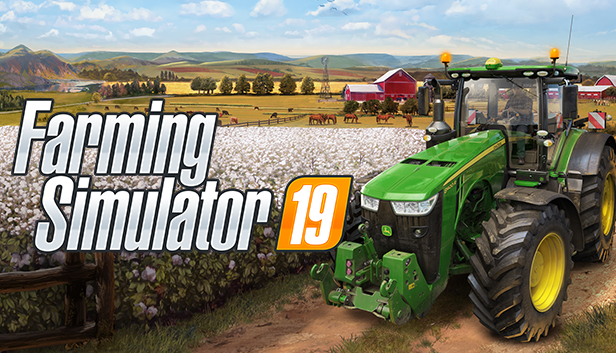
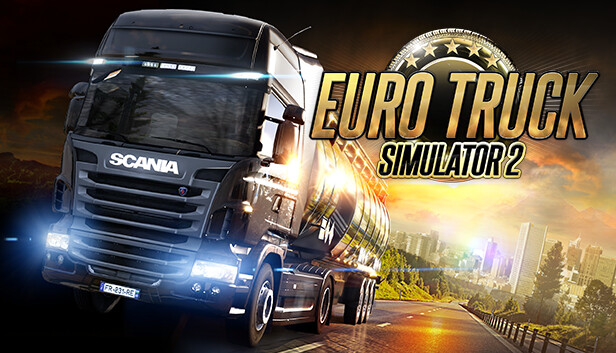
Simulator games are all about simulating an aspect of real life. They focus on trying to get the mechanics of what they’re simulating as close to real life as they can within the limits of a video game. The gameplay is usually repetitive and progression is slow compared to other game genres. With simulator games there isn’t usually a story or goals set by the game. They often can be played with specialized controllers e.g. Euro Truck Simulator 2 can be played with a driving wheel controller and Microsoft Flight Simulator can be played with a flight stick and throttle.
RTS
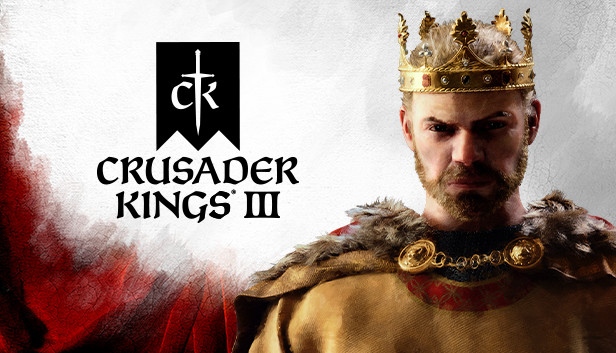
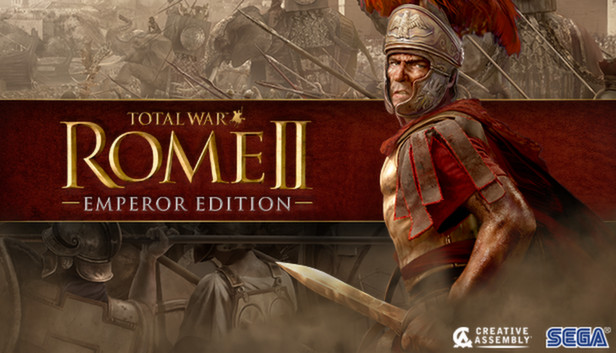
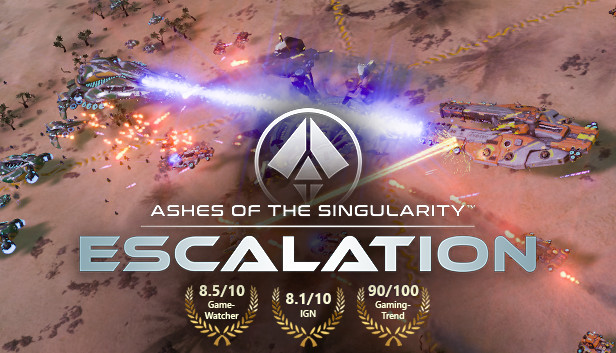
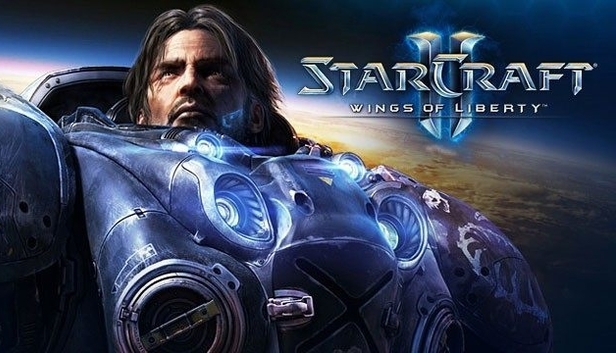
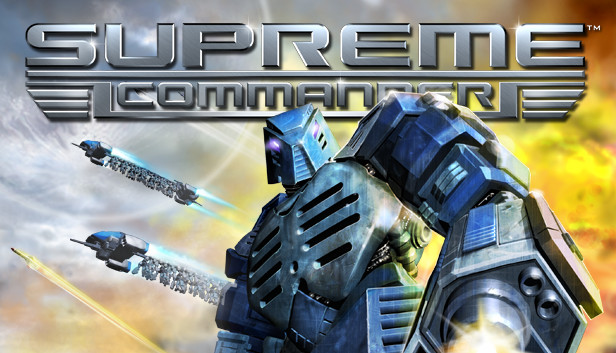
RTSs are about building and controlling an army. They usually have a few resources that you need to manage to be able to build things. You’ll have defence towers that will have a range of area that they defend, unit generating towers that will build your army so you can expand, resource generators which will get you more or different resources and many more. You’ll also have different unit types such as builders that will build things for you, basic infantry that will make the bulk of you army and many more different types of units. You’ll usually be fighting other players on a map that has limited resource points around the place that you have to fight for.
City Builder
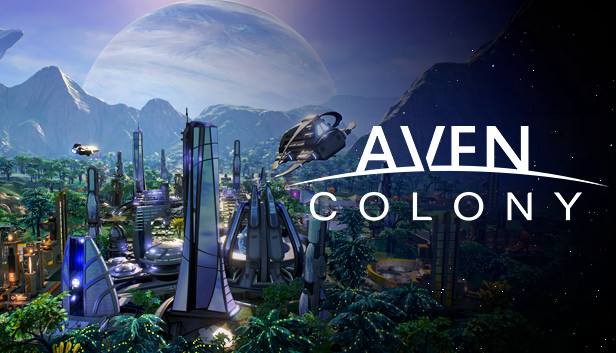
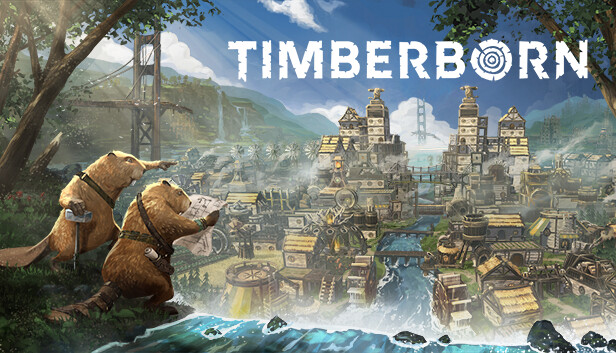
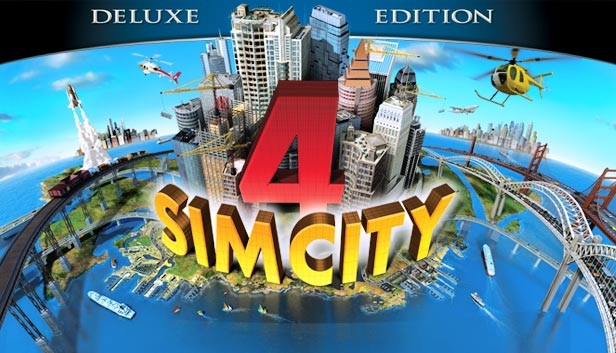
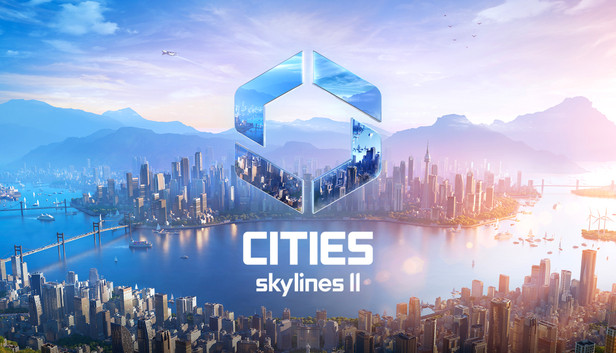
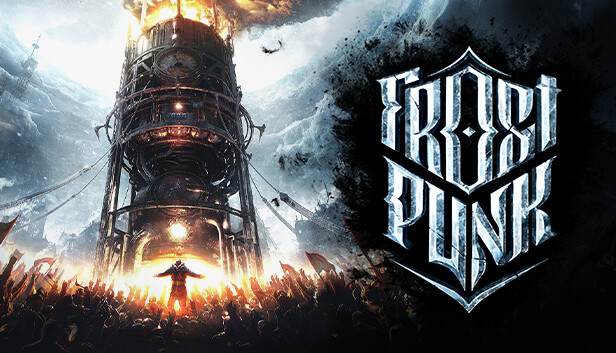
In city builder games the aim of that game is usually to build a stable city. You’ll usually have different resources to manage such as money or raw materials like wood or iron. You also have to manage the residents of your city to make sure they are happy and that there needs are met. These needs could be food, water, shelter, education, warmth and many more it depends on what city builder you are playing. The main thing in all city builders is managing resources and residents. Most city builders are open and don’t have a story and allow you to do what you want with your city like Cities Skylines but some city builders have a story interweaved within the game that you have to get through by building you city up like Frostpunk.
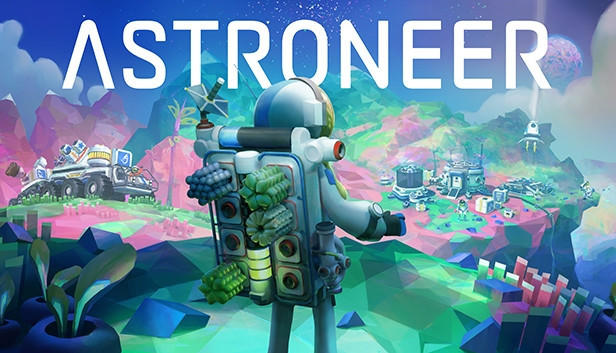
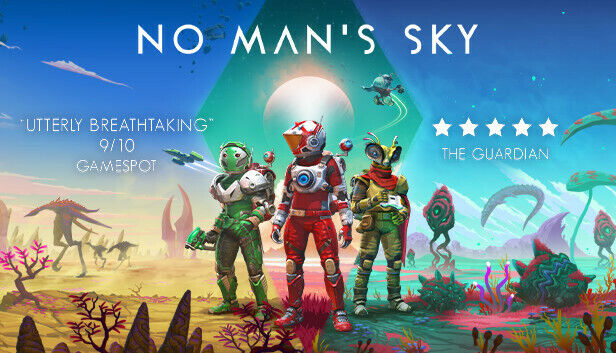
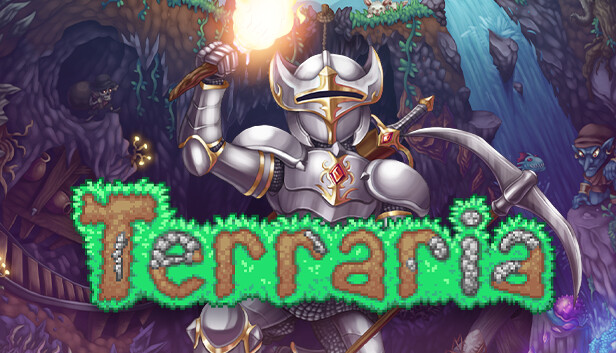
Sandbox
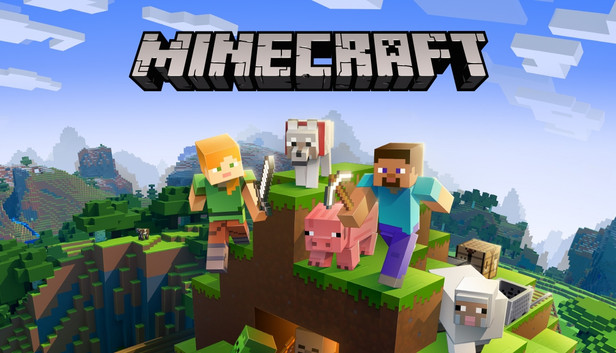
Sandbox games give you a world and mechanics and lets you do whatever you want. Many sandboxs have a fully destructible world that you can destroy and build on. Often there isn’t a story with a sandbox so it allows you to create your own story with what the game gives you. Most are open world allowing you to explore any part of the world at anytime. Sandbox games are about allowing the player to create. Some allow you to be able to share your creations with other people and sometimes they have multiplayer allowing you to play and create with your friends.
Idea Generation
List
- Universe/time travel
- Multiple universes with different themes
- Current day
- Stone age
- WW1/2
- Medieval
- Future
- Space
- Steampunk
- Apocalypse
- One main story that runs through multiple universe
- Side stories? or focus on one main story
- Combat? real time or turn based
- Why is your character hopping between universes?
- Just a guy passing through? (doctor who like)
- Job? Space police? Multiverse police?
- Can’t control universe hopping? Hoping to find a reason of why it is happening while helping people?
Mindmap
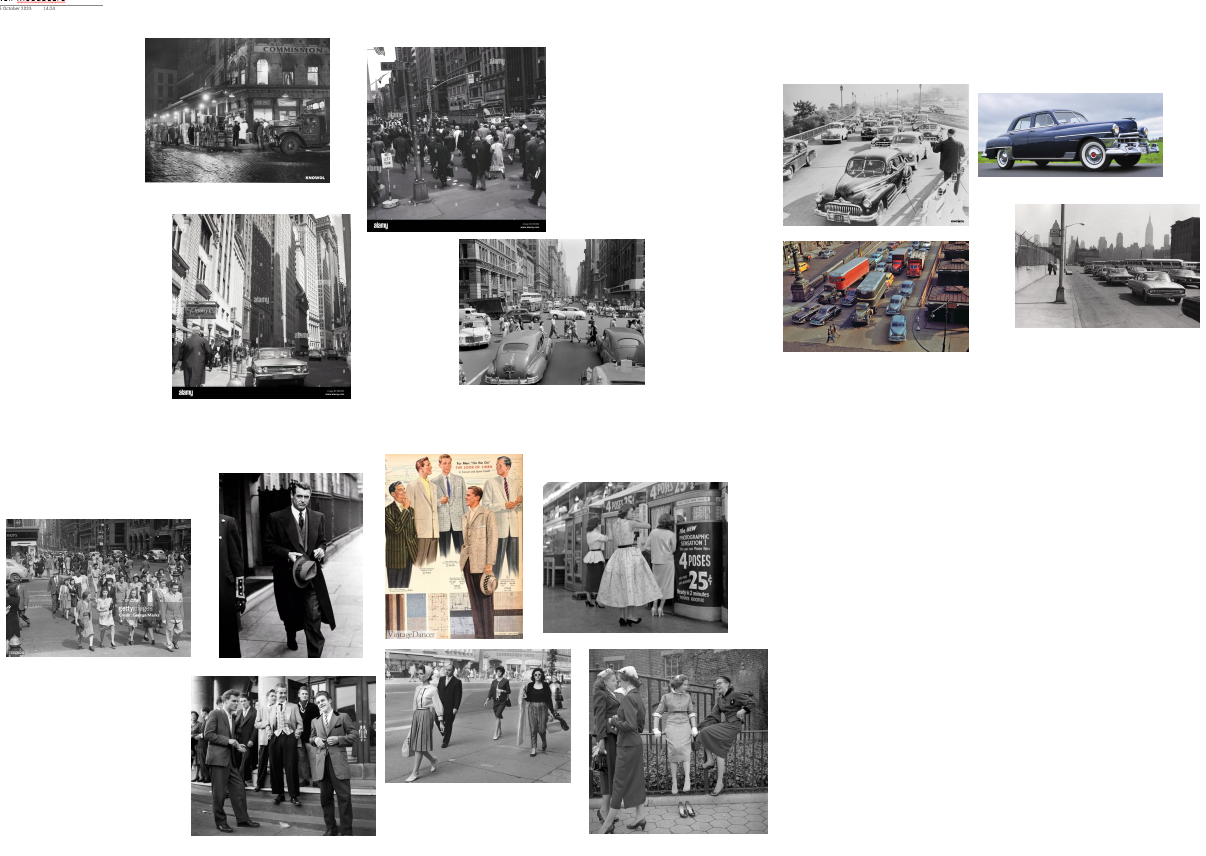
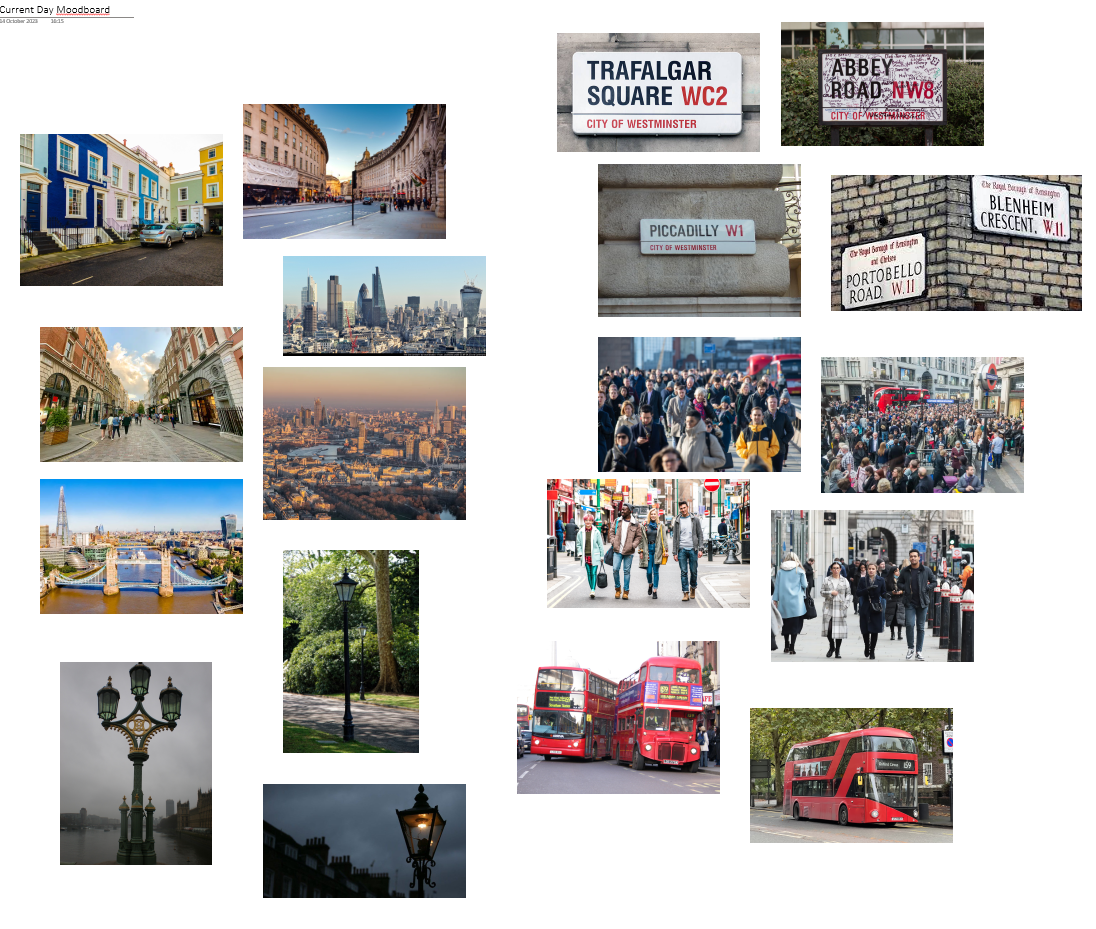
Moodboard
Storyboard

Primary Research
Questionnaire
SWOT Analysis
| Strengths -Coding experience and knowledge -Good at maths -Perfectionist. I will put in a lot of time and effort to achieve what I want from the game | Weaknesses -Poor artistic skills -Not confident in my audio skills -Over ambitious sometimes |
| Opportunities -Make a game that is very complicated on the coding side | Threats -Game might look and sound bad -Might be too ambitious -Spend too much time on the coding |
Production Schedule

Secondary Research
Battlebit Remastered Visual Review (Polygon)
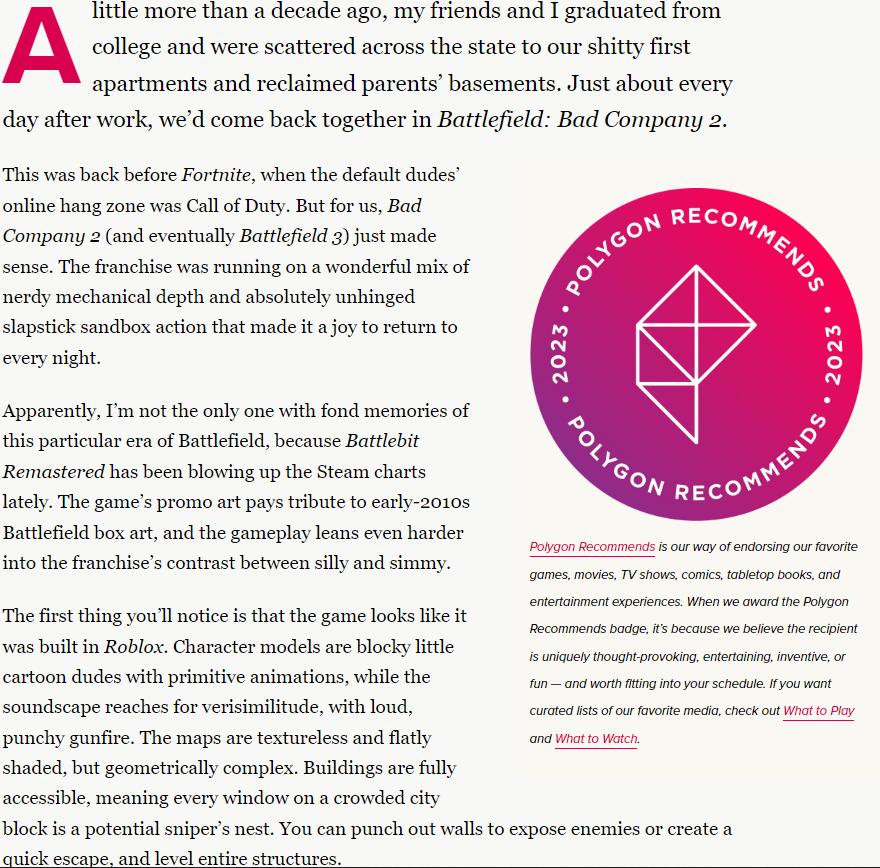
Battlebit Remastered is a low poly game which I personally think does low poly poorly so I wanted to know why people enjoyed the game despite the visuals. In this review Polygon says that the low poly style is “fine” but sometimes the “flat shading makes geometry confusing and distances hard to determine”. Understanding your environment is important in a multiplayer FPS but not as important in a singleplayer RPG though I will focus on trying to make the landscape understandable. From this review it seems that Battlebit doesn’t need to focus on visuals as it nails the gameplay so in my game I will try and focus on getting the gameplay nailed so that the low poly style can be overlooked.
Low-Poly Graphics Principles and Examples (3D Ace)
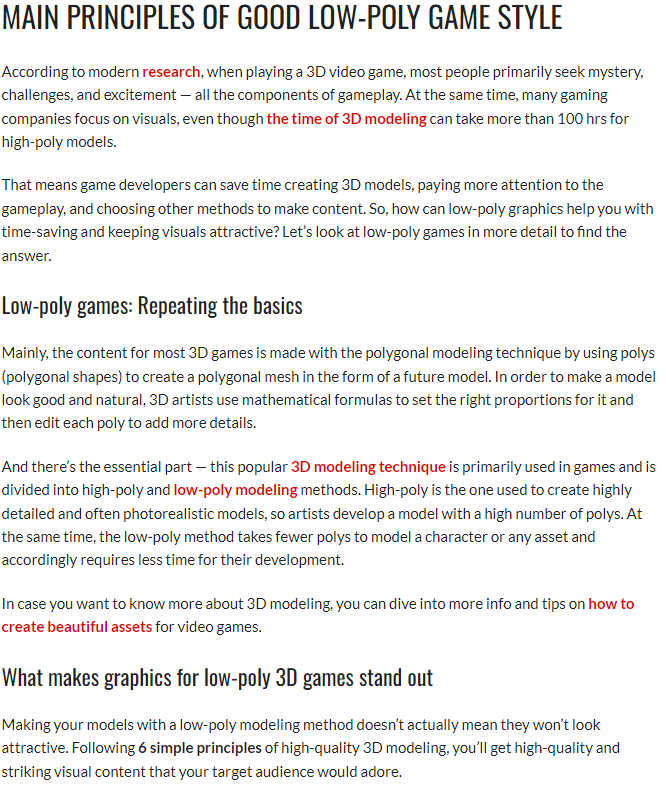
It was helpful to see what professionals thought about low poly graphics and how to make them look good such as having a unique style that runs through everything. It was also helpful to see popular low poly games and what they thought about them. I watched the Fruits Of A Feather video as the graphics for that game caught my attention. I found that the bird was still low poly but the most detailed/complex out of everything which is something I might carry through into my game. Making the main characters more detailed than the rest to make them stand out and to save time when creating the models.
Unreal Engine 5 Modelling Tools Tutorial (Unreal University)
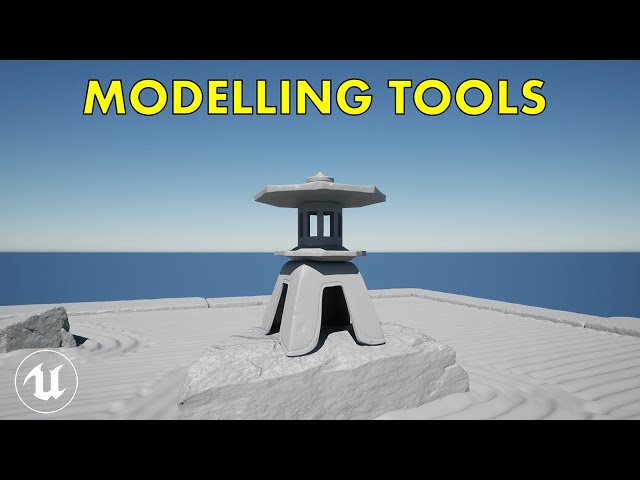
This video taught me the basics of modelling in Unreal engine. This is helpful as I am hoping to just use the modelling within Unreal engine to create my low-poly models rather then creating in something like Blender or 3DS Max and having to import them. This will save me time in making the game as I won’t have to learn a more complex 3D modelling tool and how to import and everything can be made with in Unreal. The tutorial would have been more helpful if it went through how to make something for example I know that the main Blender tutorial people use goes through how to create a scene with a donut in it. This allows you to practically apply what you are learning and allows you to compare your work to the tutors work.
C++ Basics (Simplilearn)
I learnt the syntax of C++ and the basics such as how to declare variables and how to create if statements. This will be helpful as I will be making my game in Unreal engine which uses C++. The level of the video was a bit too much beginner for me as I have prior coding knowledge in coding and in another C based language so some of it was not helpful to me. Though this has taught me the basics of C++ I will need a greater understanding of C++ within Unreal engine so watching a video on the basics of Unreal C++ will be helpful.
C++ Basics in Unreal (Gorka Games)
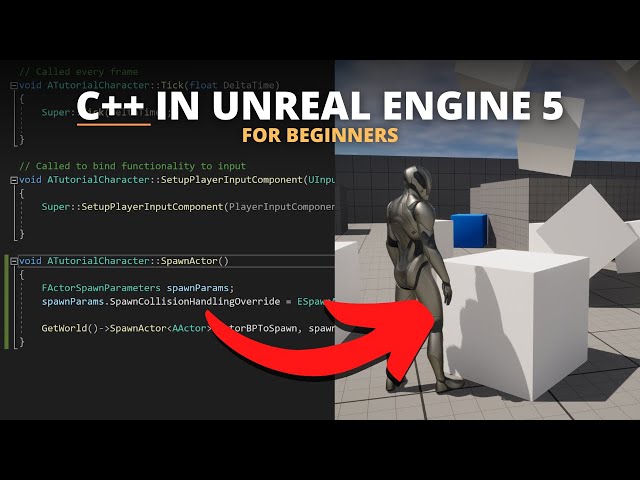
The video told me how to code scripts in Unreal engine and how to use them with in blueprints. This will be helpful for when I start making my games as I will be focusing on the coding aspect of my game. Something very helpful I learnt from this video is that C++ scripts and blueprints work hand in hand rather then what I thought before where you either did blueprints or C++ scripting. This makes Unreal C++ coding different from coding I have done in the past so this was very helpful to learn now rather than when I start coding.
Unreal Engine 5 Tutorial (Smart Poly)
This video taught me the basics of Unreal engine 5 the game engine that I will be using to create my game. This was helpful as now I know how to use Unreal engine 5 so when it comes time to make my game I won’t need to learn the basics as I go. The tutorial could have been better if it got you to make a basic game while he was teaching you the basics. This would have made it more engaging which in turn would make it easier to remember the things he talks about.
Sound Design For Indie Games (Let’s Talk Game Design)
This video taught me the importance of sound in video games and how to create sound that works and how to make it on an indie game budget. It’s helpful that he goes through both sound effects and music and how they are important in different ways. It was also helpful that he was explain using an example of an indie game as it reiterated the points he was making. It also showed that he knew what he was talking about as the example he was using was a game he was making.
Skyrim’s Sound Design (Game Informer)
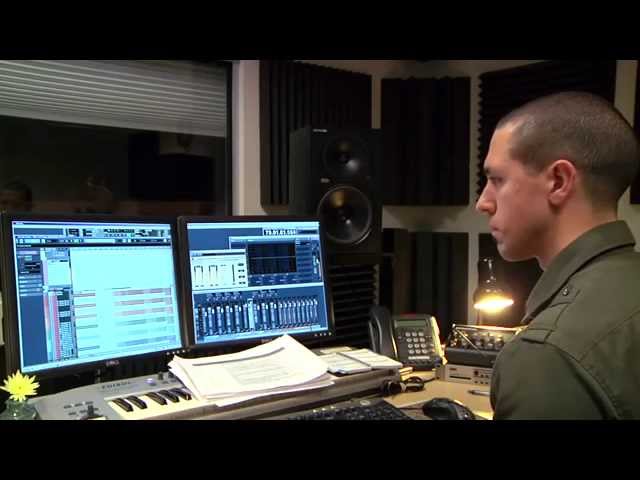
This video taught me how sound design is done in a big budget AAA game. This is helpful as people who work on these sorts of projects are professionals and know what they are doing and though I might not be able to do everything they are due to budget, time and skill restraints it was still helpful to learn how they do it as I can try replicate what they are doing on a smaller scale. They also have trips and tricks that can work on any level. It could have been more helpful if he went through how he designed a specific sound effect in more detail like a step by step guide sort of.
Evaluation
The genre profiles allowed me to think about which genre I wanted to make my game in. As well once I had selected my genre I knew what I needed to think about and figure out for that genre thanks to the profile I had made. For future projects I think I will look into many different genres still but not do profiles into all of them only the ones I will be setting my game in as for this project I have 4 genre profiles that I don’t need and have been as equally helpful as just reading about the genre. This will give me more time to go deeper into my chosen genre and even the subgenre giving me a more informed idea of what I need to think about and put into my game.
Listing allowed me to write down the ideas that came to my head quickly and in a way that made sense to me. It allowed me to see what I hadn’t thought about and flesh out my idea more. As it is quick and easy to write things down in a list it meant I didn’t need to slow down or stop my thinking to get things written down which allowed my train of thought to keep going and think of more things. A negative about lists is that because it is quick and easy and you don’t think to much about how you’re writing it down it can become messy and hard to understand for anyone else or you later down the line. So I would as lists are good to get initial thoughts and ideas down but once you’ve finished the list I would format it into a mind map so it is easier for others to understand.
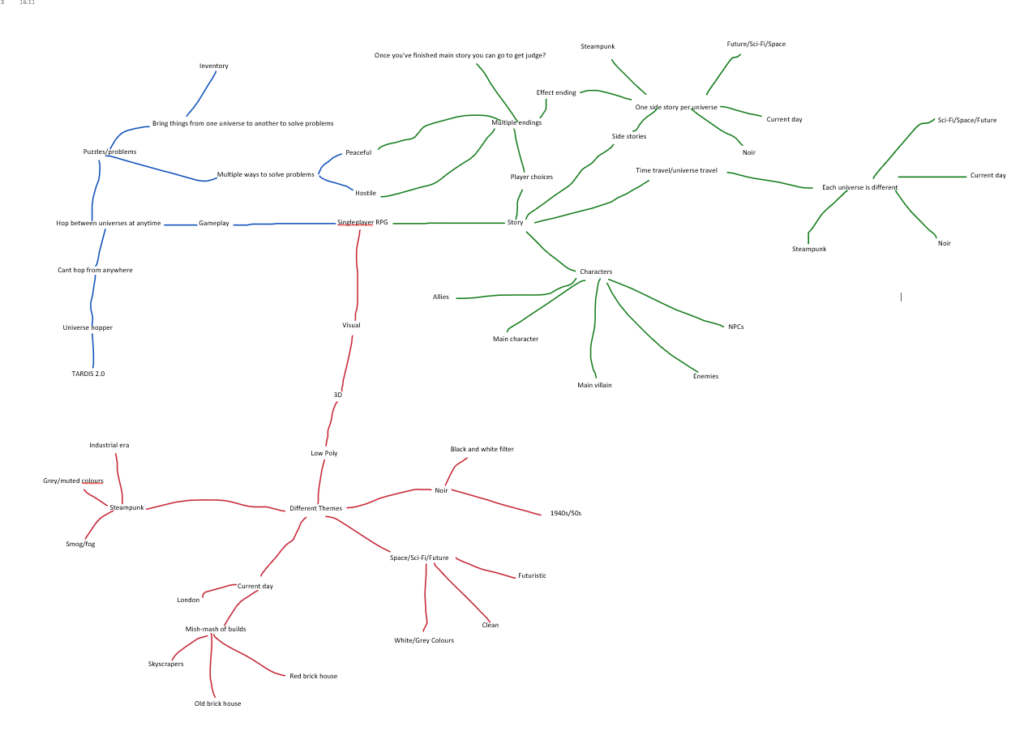
Mind mapping allowed me to get the ideas that I had unformatted in a list into something that made more sense and was clearer to anyone else. It allowed me to show the connections between ideas that I could see within my list but other might not. It also allowed me to expand on my initial thoughts and ideas by looking at would connect well with what I had already put down. Though mind maps are good at showing and expanding on your ideas about story and gameplay it’s not very good at visual ideas as you don’t have images. Images are a lot better at representing and expanding upon visual ideas then words are. So mind maps are good for formatting your initial ideas about gameplay and story but I would create a mood board for visual ideas.
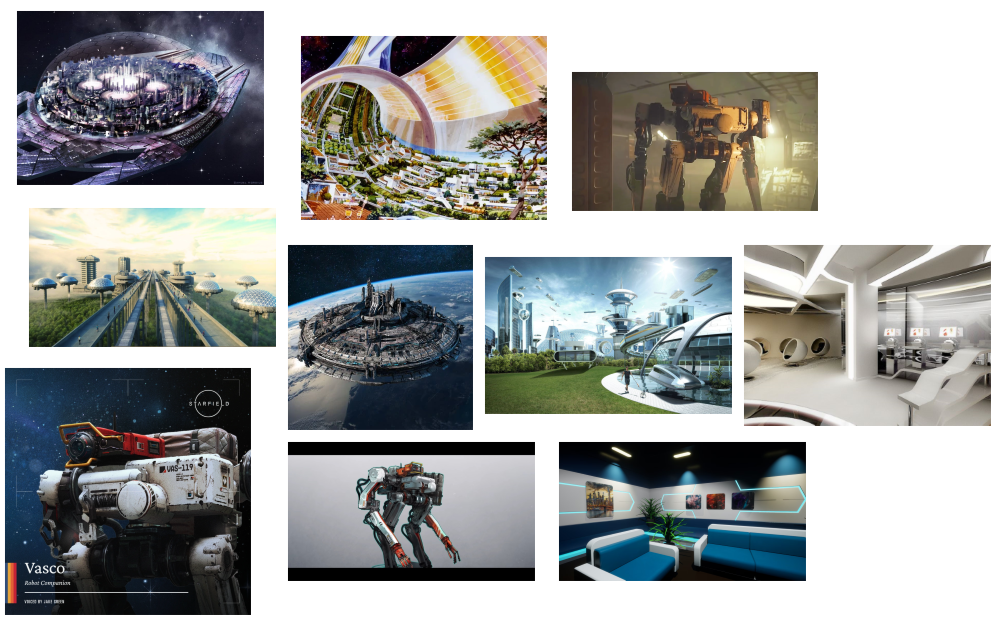
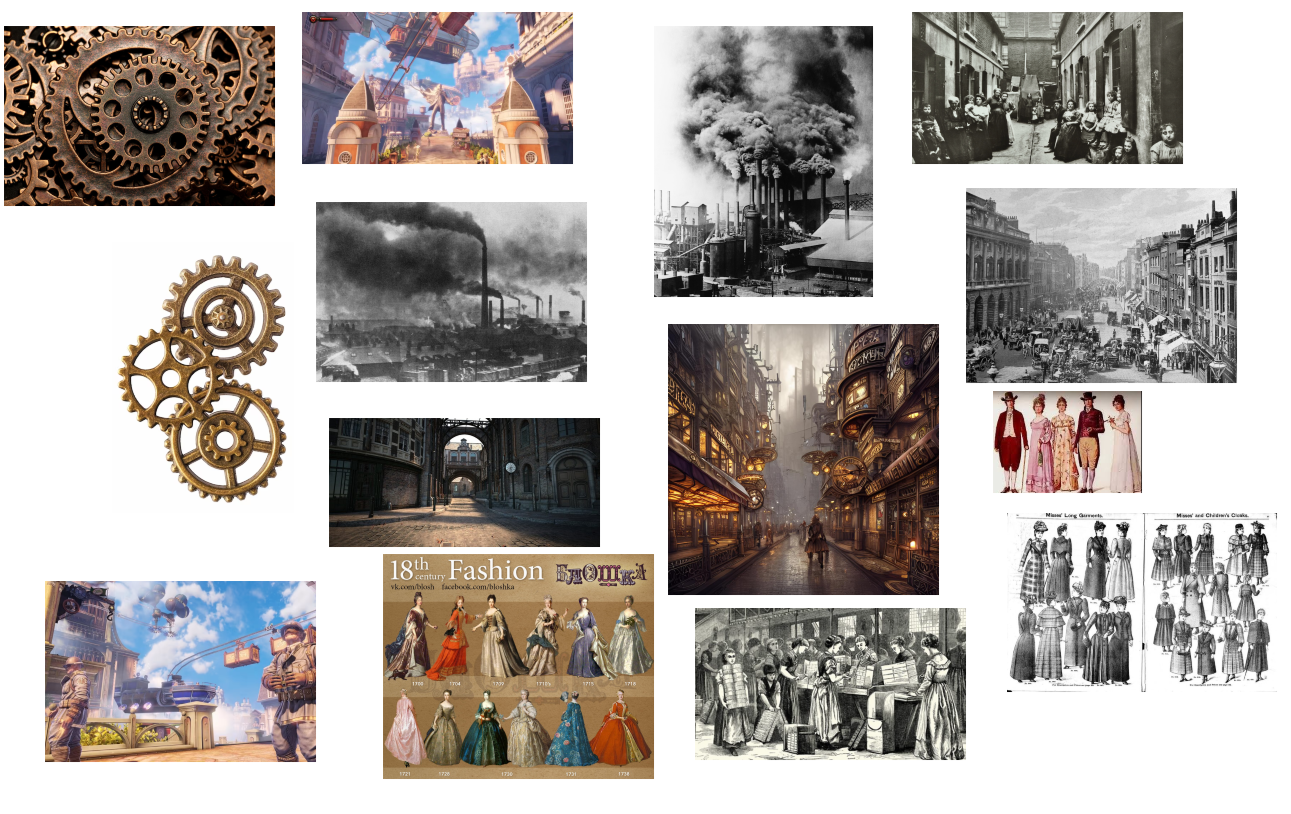
Moodboards are very good at creating a visual representation of what you want your game to look like. They are also good at expanding your visual ideas as when you’re on google trying to find images that represent what you want you might find other images that give you ideas that expand upon your vision of what the game will look like. It’s also very good at showing other people what you want visually from your game. Though moodboards are not great for story and gameplay ideas as you don’t words to describe you ideas. So I would use a moodboard to get down and expand your visual ideas but use a mind map for story and gameplay. Moodboards were helpful for me to create a visual picture of each world I wanted to create in my game. I did find that I struggled with trying to find images to match my idea especially with the Future Moodboard.
The storyboard was helpful to get an understanding of what I wanted to do with the story in my game and also develop it. I need to spend more time refining the story so I will make more storyboards to help develop it. I did find though that a storyboard isn’t great with non-linear stories so I found it difficult to convey how the story flowed and changed depending on the players choices. I will also create storyboards for each side story line I will have for each world. Even though those stories will effect the main story I will probably have to put them on separate storyboards as a storyboard is only able to support one story.
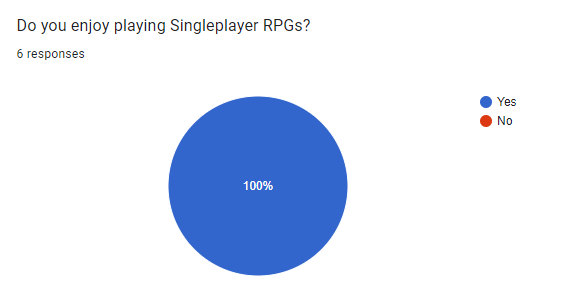
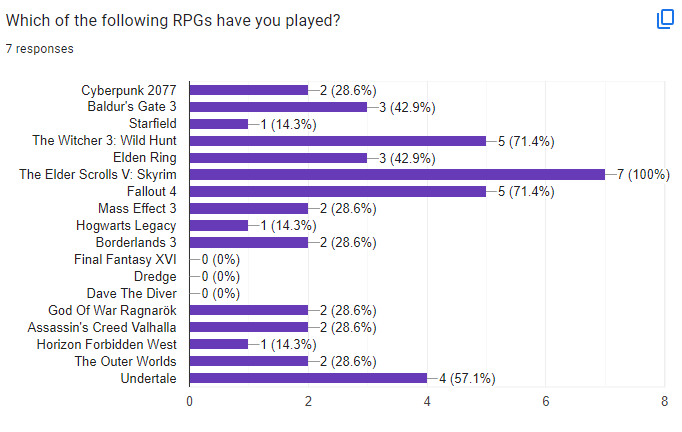
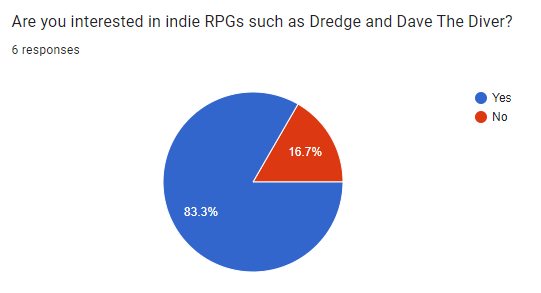
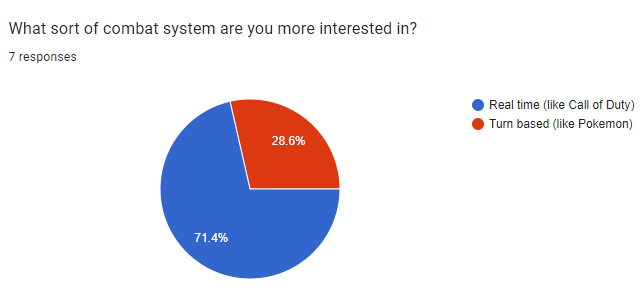
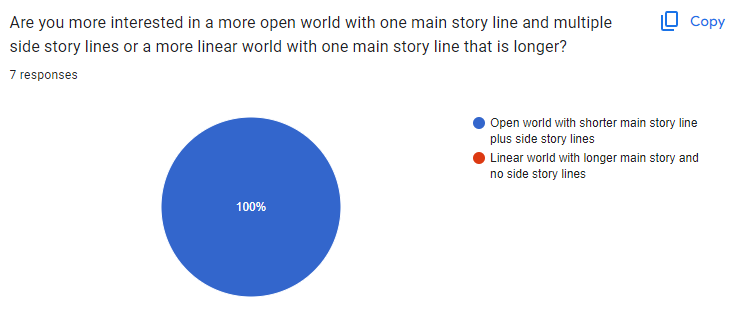
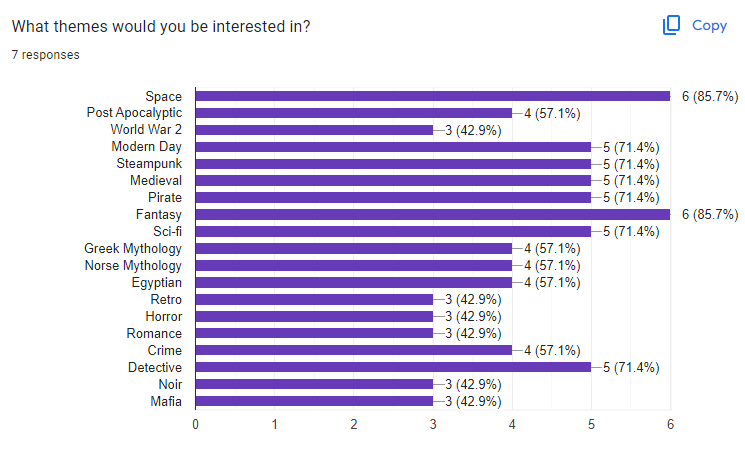
A questionnaire is a very good way of getting a vague idea of what your audience wants. It gives you a lot of quantitative data that you can work with but it also allows you to get some qualitative data as well. It helps inform you of what direction you should be going with your game and can also help you develop your ideas. But it doesn’t allow you to have a full discussion with people so there can be misunderstandings but also if someone gives a interesting answer to a qualitative question you can’t further explore their idea with them as you don’t have direct contact with them. The questionnaire for me helped me develop my story and world for my game as I got an idea of what people wanted. It also helped me figure out what sort of combat system I wanted.
The SWOT analysis allowed me to look at my strengths and weaknesses and showed me what I should show off and what I need to focus on improving. For me I found that I am good at programming and need to create a game that is very complex on the coding side but I am weak on visual and audio so I need to focus on improve those skills. It informed me on the visual style I wanted to use as I knew I wanted to pick a style that is simple to match my skill level. Though SWOT analysis is very good at getting you to think about yourself and your strengths and weaknesses it doesn’t inform you about your audience or competition.
A production schedule allowed me to think about how I want to make this game. It allowed me to think about what I need to get started first for example I need to start working on visual things first so that I have the basics such as the main character model finished for when I start making the game. A downside to creating a production schedule for me currently is that this is my first project so I don’t have foreknowledge on how long things will take and I don’t know everything that will go into making my game so my production schedule is quite vague as I don’t have the knowledge right now to make a precise schedule. Another downside is that it give you no information on your audience or market.
Bibliography
C++ Tutorial For Beginners | C++ Programming | C++ | C++ Basics | C++ For Beginners | Simplilearn (2021). YouTube. 5 June. Available at: https://www.youtube.com/watch?v=McojvctVsUs (Accessed: 15 October 2023).
Gill, P. (2023) Battlebit remastered is the Second coming of battlefield: Bad company, Polygon. Available at: https://www.polygon.com/reviews/23776976/battlebit-remastered-review-battlefield-military-shooter (Accessed: 15 October 2023).
How To Do Sound Design For Your Indie Game – Devlog 16 (2021). YouTube. 7 December. Available at: https://www.youtube.com/watch?v=x3TuFKINqT0&ab_channel=Let%27sTalkGameDesign (Accessed: 15 October 2023).
How to Use C++ in Unreal Engine 5 – Beginner Tutorial (2022). YouTube. 26 December. Available at: https://www.youtube.com/watch?v=HNfpKFER2hI (Accessed: 15 October 2023).
Marta (2022) Low-poly graphics in games: Principles and examples: 3D-ace, 3D. Available at: https://3d-ace.com/blog/low-poly-graphics-in-games/ (Accessed: 15 October 2023).
The Secrets Of Skyrim’s Sound Design (2011). YouTube. 29 November. Available at: https://www.youtube.com/watch?v=0DwJTPNvSKU (Accessed: 15 October 2023).
Unreal Engine 5 Beginner Tutorial | Getting Started (2022) (2022). YouTube. 11 March. Available at: https://www.youtube.com/watch?v=ptCN4cysDig (Accessed: 15 October 2023).
Unreal Engine 5 Modelling Tools Tutorial – Learn How To Create Models (2022). YouTube. 11 May. Available at: https://www.youtube.com/watch?v=aLCMmfTmFWY&ab_channel=UnrealUniversity (Accessed: 15 October 2023).